Sea freight from China guide
Sea Freight from China: FCL, LCL, Costs and Transit Times
Reviewed by the JCD Forwarder operations team ·
Sea freight carries most of the goods that leave China, and for good reason: for anything heavier than a few hundred kilos it is by far the cheapest way to ship. The trade-off is time. A container from Shenzhen takes weeks rather than days to reach Europe or North America, so good planning matters more than with air freight.
This guide covers what importers ask us most often: when to choose a full container (FCL) or a shared one (LCL), which container size fits your order, how long shipping takes to the main markets, how a sea freight quote is built, and what happens to your goods between the factory and your warehouse.
How sea freight from China works
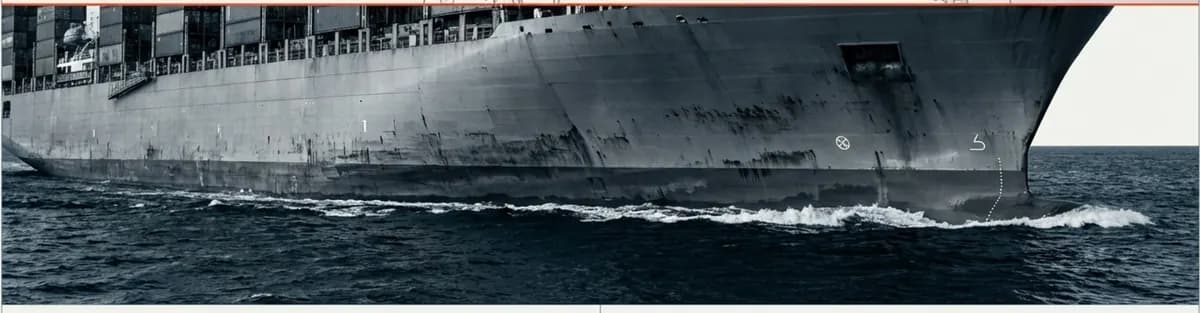
Your goods travel in standard steel containers on scheduled liner services operated by carriers such as COSCO, Evergreen and Maersk. Ships leave China's main ports every week, so you do not have to wait long for a sailing.
The ports we ship from most are Yantian and Shekou in Shenzhen, Nansha in Guangzhou, Ningbo-Zhoushan, Shanghai (the world's busiest container port) and Qingdao in the north. We choose the port closest to your suppliers, because moving goods inside China costs money and time.
As a licensed NVOCC (licence GD20240307220907), JCD Forwarder issues its own bills of lading and manages the whole chain: pickup, export customs, the ocean voyage, import clearance and final delivery, including DDP with duties and taxes paid.
FCL vs LCL: which one is right for your order?
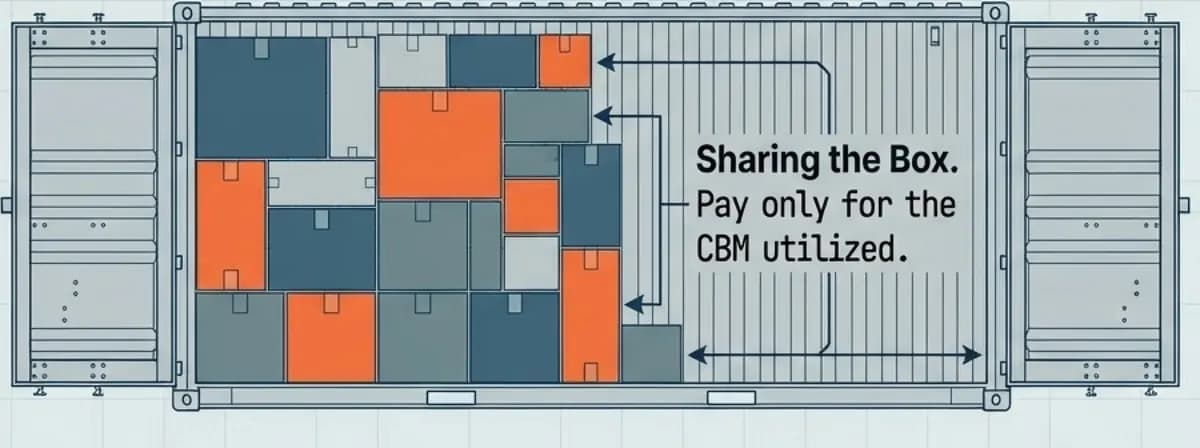
LCL (less than container load) is shared space. Your cartons are packed into a container together with other importers' goods at a consolidation warehouse, and you pay only for the cubic metres you use. FCL (full container load) is a container booked just for you; it is loaded at your factory and sealed until it reaches you.
| LCL (shared container) | FCL (full container) | |
|---|---|---|
| Best for | About 2 to 15 CBM | About 15 CBM and more |
| How it is priced | Per CBM or per 1,000 kg, whichever is higher | Per container |
| Transit time | A few days longer (packing and unpacking at warehouses) | Fastest by sea |
| Handling | Cartons handled at both consolidation warehouses | Sealed at loading, opened at destination |
| Minimum | Usually 1 CBM | One container |
Rule of thumb
Get both prices once you reach about 12 to 15 CBM. Around that point a 20ft container often costs the same as LCL, and FCL is then the better choice because your goods are handled less and arrive sooner.
Container sizes and how much they hold
| Container | Internal size (approx.) | Volume | Practical load | Max payload (approx.) |
|---|---|---|---|---|
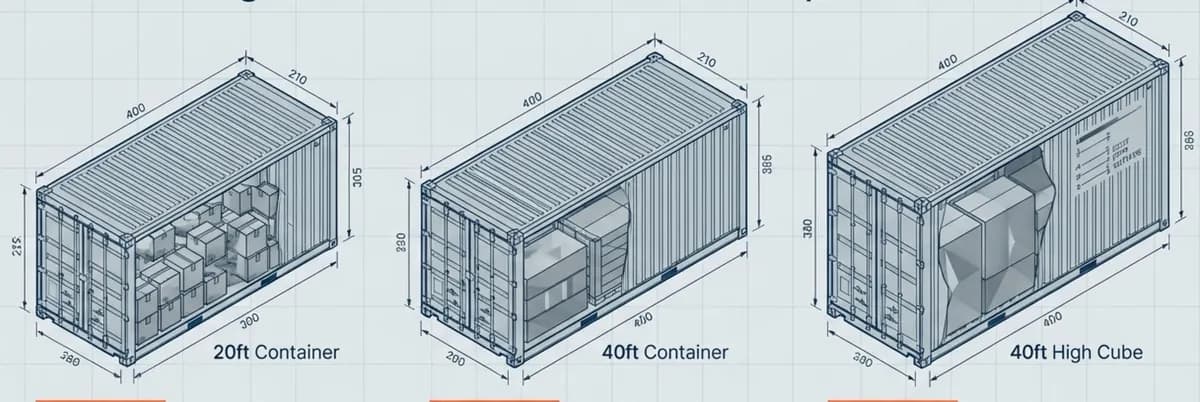
| 20ft (20GP) | 5.90 × 2.35 × 2.39 m | 33 CBM | 25–28 CBM | 28 tonnes |
| 40ft (40GP) | 12.03 × 2.35 × 2.39 m | 67 CBM | 55–58 CBM | 26.5 tonnes |
| 40ft High Cube (40HQ) | 12.03 × 2.35 × 2.69 m | 76 CBM | 65–68 CBM | 26.5 tonnes |
| 45ft High Cube (45HQ) | 13.56 × 2.35 × 2.69 m | 86 CBM | 75–78 CBM | 27.5 tonnes |
Exact sizes vary by container owner. Road weight limits at destination can be lower than the container payload, so heavy cargo is checked before booking.
A 20ft container is the usual choice for heavy goods such as tiles, machinery parts or metal products, because it reaches its weight limit before it is full. A 40ft High Cube gives the most space for the money and suits light, bulky goods like furniture, lighting and homeware. For goods that need temperature control or do not fit through standard doors, we also arrange reefer, open-top and flat-rack containers.
Sea freight transit times from China
| Destination | Main ports | Door-to-door |
|---|---|---|
| United States (West Coast) | Los Angeles, Long Beach | 25–30 days |
| United States (East Coast) | New York, Savannah | 30–40 days |
| Canada | Vancouver, Prince Rupert | 25–35 days |
| United Kingdom | Felixstowe, London Gateway | 40–45 days |
| Germany | Hamburg, Rotterdam, Antwerp | 50–60 days |
| Netherlands | Rotterdam | 40–50 days |
| France | Le Havre, Antwerp | 45–55 days |
| Australia | Sydney, Melbourne | 22–28 days |
| United Arab Emirates | Jebel Ali | 22–28 days |
| Japan | Tokyo, Yokohama, Osaka | 8–12 days |
From pickup in China to delivery, including customs clearance. See each country page for full details.
Europe routings in late 2026
Many Asia–Europe services sailed around Africa from 2024, adding about 7 to 12 days. From October 2026 the major lines started returning to the Suez Canal, with a full return expected in early 2027. While services change over, arrivals in North European ports can bunch up, so we confirm the routing of each vessel when we book.
What makes sea freight late?
- Peak season. Space fills up in the weeks before Chinese New Year and from August to November.
- Rolled cargo. When a vessel is overbooked, containers can be moved to the next sailing. Booking early reduces the risk.
- Port congestion at transhipment hubs or at destination.
- Missing documents. Errors in the invoice or packing list are the main cause of customs holds.
How much does sea freight from China cost?
Ocean rates change every week with fuel prices, vessel space and demand, so any price list is out of date quickly. What stays the same is how a quote is built. A door-to-door sea freight price is made up of these parts:
| Cost item | What it covers |
|---|---|
| Origin charges | Pickup from the factory, terminal handling in China, export customs and documents |
| Ocean freight | The sea voyage, including fuel surcharges set by the carrier |
| Destination charges | Terminal handling, unloading (LCL), delivery order and port fees at the arrival port |
| Import customs clearance | Filing the import declaration with the customs authority |
| Duties and taxes | Import duty and VAT or GST, calculated on the value of your goods |
| Final delivery | Trucking or parcel delivery to your address, 3PL or Amazon warehouse |
Watch out for "cheap" port-to-port prices
A low ocean rate that leaves out destination charges, customs and delivery is not a cheap shipment. Those costs are then billed separately when your goods arrive and you have little choice but to pay. Always compare door-to-door quotes that say clearly whether duty and taxes are included.
How LCL is charged
LCL uses a "weight or measure" rule: each 1,000 kg counts as 1 CBM, and you pay for whichever is greater. For example, 4 CBM of cargo weighing 1,800 kg is charged as 4 CBM, while 3 CBM weighing 3,500 kg is charged as 3.5 CBM. Most consolidators have a minimum of 1 CBM.
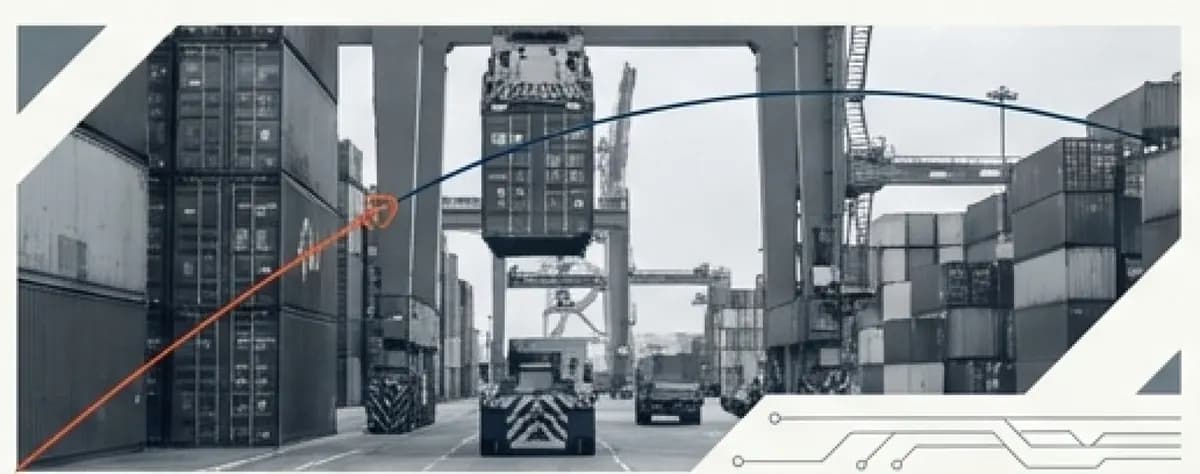
From factory to your door: the sea freight process
- 1
Quote and booking
You send product, carton and weight details. We confirm price, vessel and cut-off dates, then book space with the carrier.
- 2
Container or pickup
For FCL an empty container is trucked to your factory. For LCL we collect your cartons and take them to our consolidation warehouse.
- 3
Loading and sealing
Cargo is loaded with weight spread evenly and secured, then sealed with an ISO 17712 high-security seal. We send you loading photos.
- 4
Export customs and weight check
We file the export declaration and submit the verified gross mass (VGM) before the terminal cut-off.
- 5
Departure and bill of lading
The vessel sails and the bill of lading is issued. We send you the tracking details.
- 6
Pre-arrival filings
Advance cargo data is sent before arrival, such as ISF (10+2) for the US or ICS2 for the EU, so the cargo is not held.
- 7
Arrival and clearance
The import declaration is filed and duties and taxes are paid, by us on DDP shipments.
- 8
Delivery
Full containers are trucked to your warehouse. LCL is unpacked and delivered on pallets or as parcels.
Documents and Incoterms for sea shipments
Every sea shipment needs a commercial invoice, a packing list and a bill of lading (B/L). The B/L is both the receipt for your goods and, in its original form, the document that gives the right to collect them. Many importers now use a telex release or a sea waybill instead of paper originals, so the goods can be released without couriering documents across the world.
The Incoterm on your purchase order decides who arranges and pays for each part of the journey. With EXW or FOB you control the freight and choose your forwarder, which usually gives you better prices and visibility than letting the supplier book it (CIF/CFR). With DDP, we deliver to your door with duties and taxes paid, so you know your full landed cost before shipping.
Packing and insurance for ocean cargo
- Strong export cartons, filled so they do not collapse when stacked. Containers are stacked high and move in rough seas.
- Heat-treated pallets marked ISPM 15. Untreated wood is refused by customs in most countries.
- Moisture protection. Temperature changes during the voyage cause "container rain"; desiccant bags help protect paper, textiles and electronics.
- Clear carton marks: shipping marks, carton numbers and, for Amazon, FBA labels on two sides.
Why cargo insurance matters at sea
Carrier liability for loss or damage is limited by international conventions and is usually far below the value of the goods. And if a ship is in serious trouble, the owners can declare "general average", where every cargo owner must contribute to the cost before their goods are released, even if their own cargo was not damaged. All-risk cargo insurance covers this, and we can arrange it for every shipment.
Frequently Asked Questions
How long does sea freight from China take?
Door to door, about 25 to 30 days to the US West Coast, 30 to 40 days to the US East Coast, 40 to 45 days to the UK, 40 to 60 days to mainland Europe, 22 to 28 days to Australia and the UAE, and 8 to 12 days to Japan.
What is the difference between FCL and LCL?
FCL means you book a whole container for your goods only. LCL means your cartons share a container with other shippers and you pay per cubic metre. LCL suits roughly 2 to 15 CBM; above that, FCL is usually cheaper and faster.
How much cargo fits in a 20ft or 40ft container?
A 20ft container holds about 25 to 28 CBM in practice, a 40ft about 55 to 58 CBM and a 40ft High Cube about 65 to 68 CBM, depending on carton sizes.
What is the minimum for LCL sea freight?
Usually 1 CBM. LCL is charged per cubic metre or per 1,000 kg, whichever is greater.
Why is my sea freight quote different from the price I saw online?
Online prices are often port-to-port ocean rates only. A door-to-door quote also includes pickup, export and import customs, port charges at both ends, duties and taxes (on DDP) and final delivery.
Can lithium batteries be shipped by sea from China?
Yes. Products with lithium batteries can be shipped by sea as dangerous goods with the correct UN number, packaging, labels, UN38.3 test summary and safety data sheet.
Is the Suez Canal open for shipping from China to Europe?
Major carriers began returning Asia–Europe services to the Suez Canal from October 2026, with a full return expected in early 2027. Some vessels still route around Africa during the changeover, which adds about 7 to 12 days.
Do I need cargo insurance for sea freight?
It is strongly recommended. Carrier liability is limited and far below most cargo values, and insurance also covers your share if general average is declared on the vessel.